
Happy Holidays from Bethics

As the year winds down, we are reminded that the best parts of the holidays cannot be optimized, automated, or reduced to an algorithm. This season is about real things. Time with family. Meals that last longer than planned. Conversations that remind you where you belong. The presence of people who matter, and the small
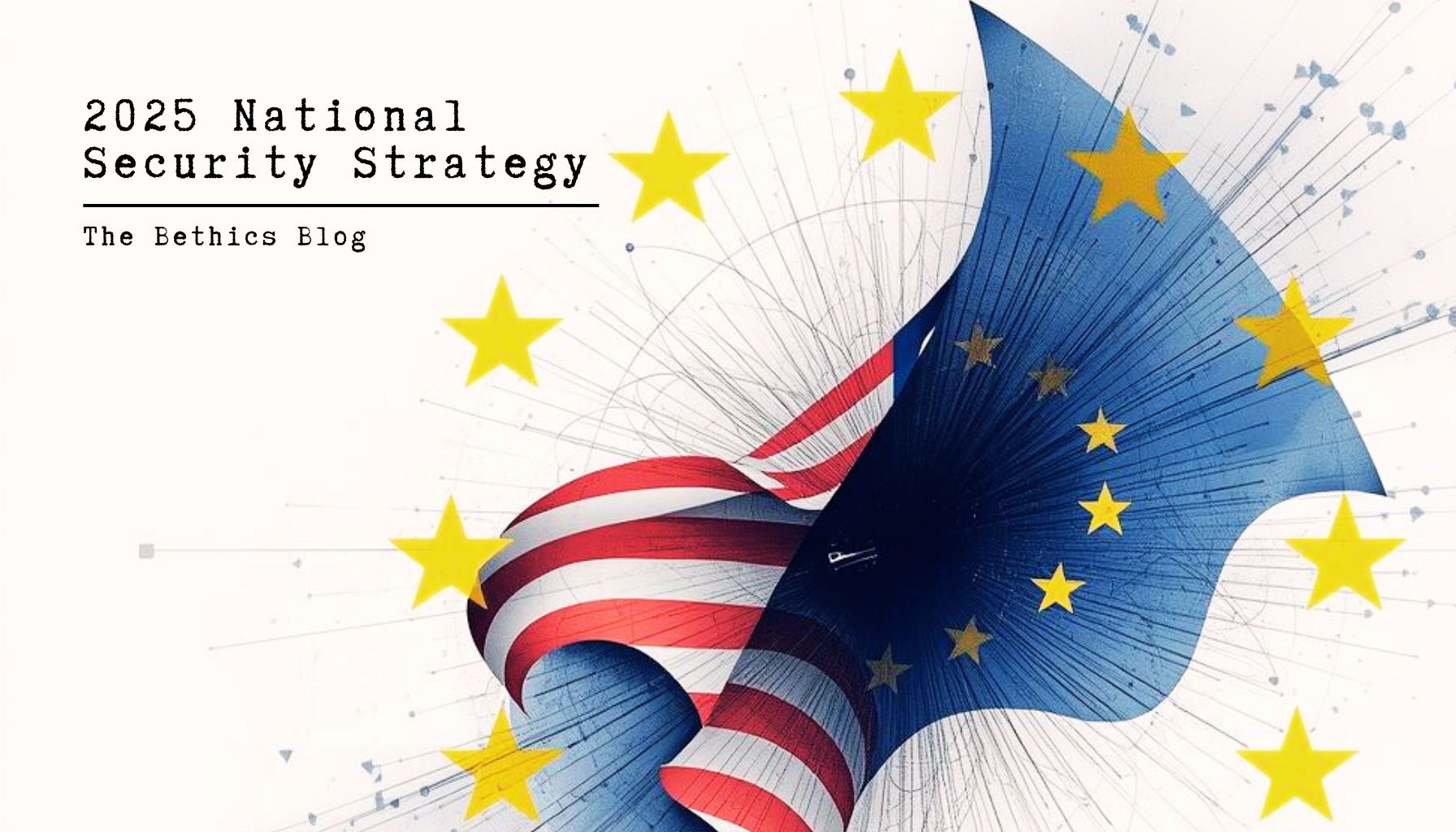
The 2025 National Security Strategy marks a clear shift in how Washington talks about Europe. Instead of treating the EU as a democratic partner, it frames the continent as unstable, weakened, and drifting. The irony is that these warnings come from a government undermining rights and institutions at home. The document doesn’t offer analysis; it projects an ideological agenda. Its framing raises a serious question: is the United States preparing for a more divided, more malleable Europe? Instead of reinforcing stability, the strategy makes fragmentation appear both thinkable and useful — a troubling signal for the transatlantic relationship.
Data breaches are now routine, yet the responsibility for digital security consistently falls on the end-user. This article argues that the message is wrong: corporate security failures are the root cause of most risk, not user negligence. We examine the true privacy trade-offs of new login systems like biometrics and hardware tokens, and reveal how corporate Terms of Use shift accountability away from the institution. Includes a detailed reference guide to the pros and cons of Single Sign-On (SSO).
Globalization was meant to bind nations together through cooperation and trade. Instead, it produced a selective freedom where capital moves without limits while people face growing barriers. This essay explores how the promise of openness was captured by corporate and political elites, and why rebuilding from the local level may be the only way to recover genuine connection and autonomy.