
The Global Rise of Workplace Surveillance: How Much Is Too Much?
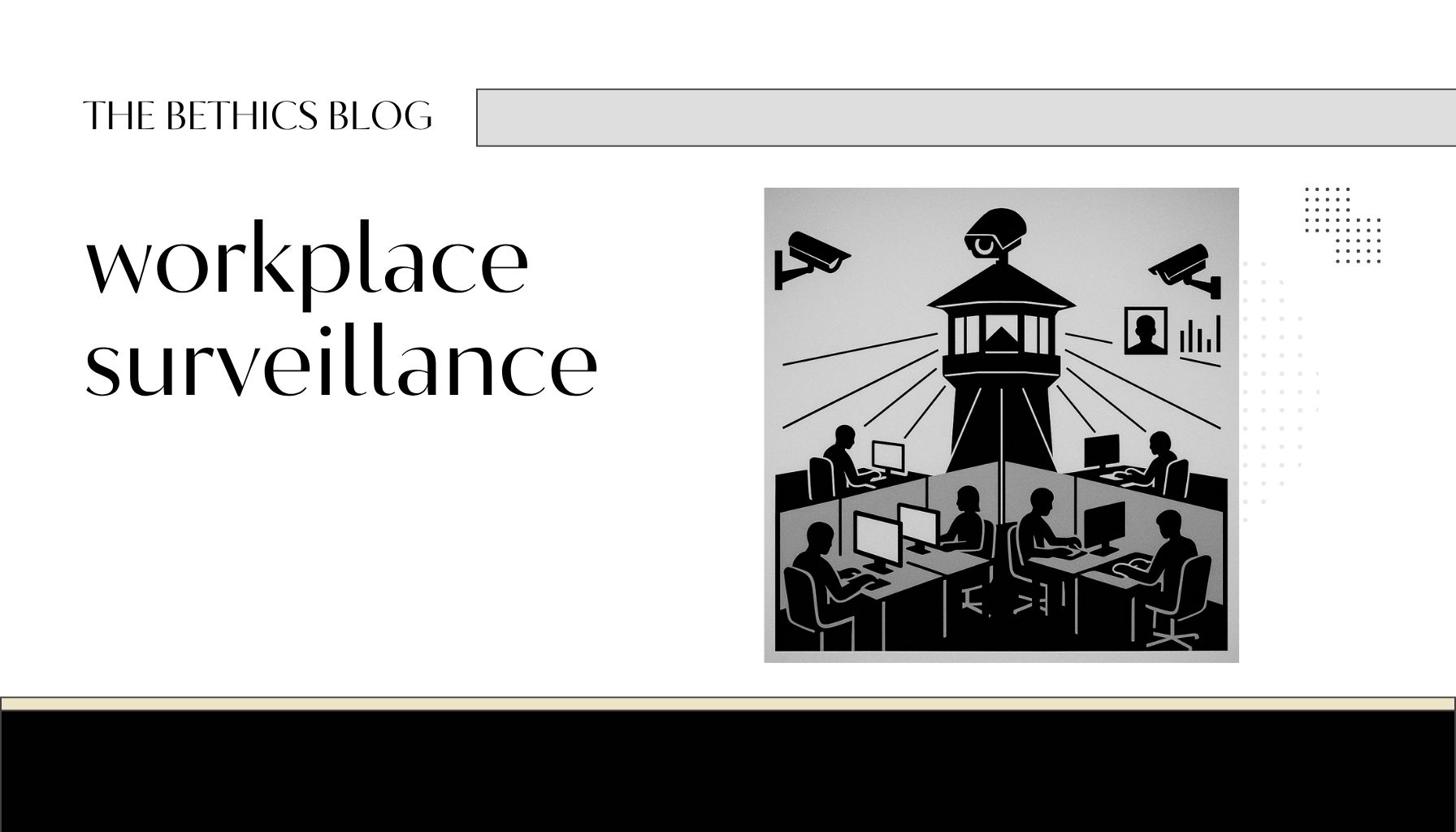
In the digital age, workplace surveillance has become a widespread and often controversial feature of modern employment. From keystroke trackers to facial recognition, companies are increasingly monitoring employees to boost productivity, ensure compliance, and manage remote teams. But how common is this practice, and how is it regulated across different parts of the world? Advertisement Recent data suggests that a significant majority of employers now monitor their staff in some form. A 2023 survey found that nearly 78% of companies worldwide use surveillance tools, with this figure rising to over 90% among fully remote organizations. The global market for employee…
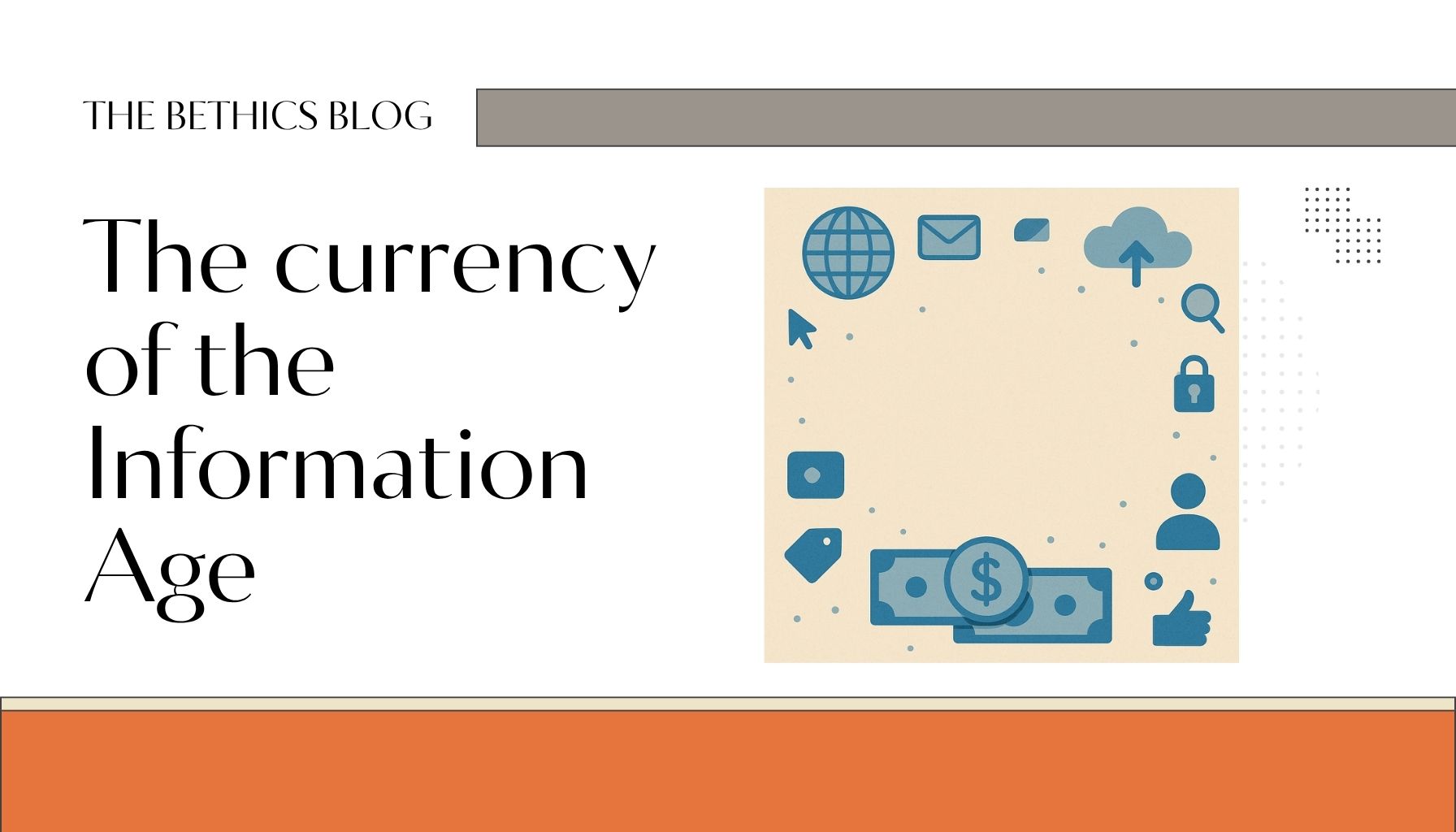
Advertisement In the digital age, it’s easy to believe we’re getting something for nothing. We scroll through social media, send messages, store files, and search the web — all “for free.” But most services aren’t powered by goodwill. They’re funded by a new kind of currency: information. When we say “data is the new oil,” we mean it literally fuels the internet economy. Every click, search, and like tells companies something about who we are. That information is harvested, analyzed, and sold — not always directly, but as part of targeted advertising systems, product development, or predictive behavior modeling. You’re…
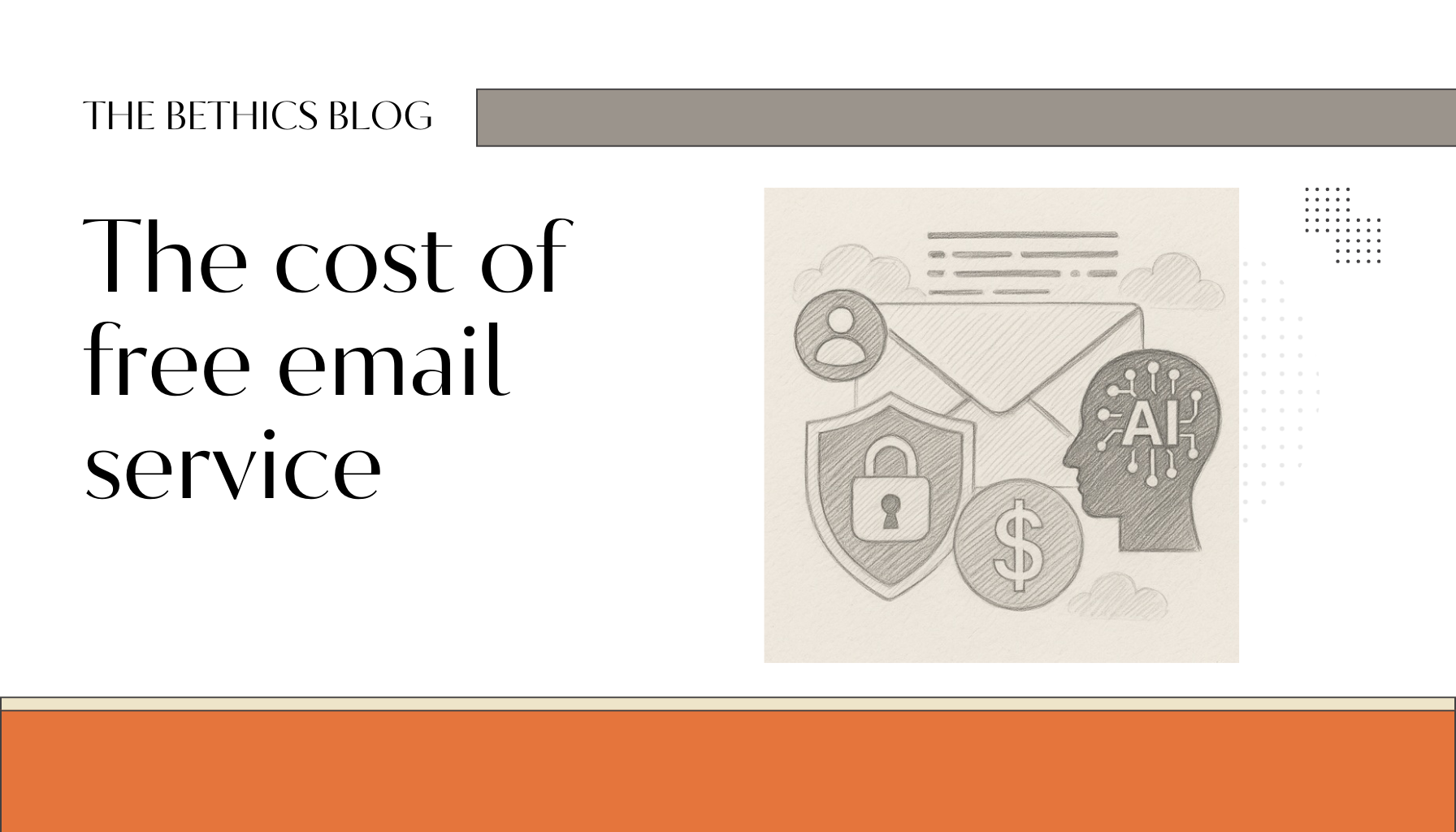
What You Should Know About Gmail, Outlook, and Similar Services Email services like Gmail, Outlook (formerly Hotmail), and Yahoo Mail dominate the world of online communication. They’re fast, accessible, and seemingly free. But while billions of people rely on them every day, few stop to consider the real cost of that convenience. Privacy Trade-Offs. One of the most significant concerns is privacy. While these services may not scan the actual content of your emails for advertising anymore (as Gmail once did), they still collect a wide range of metadata, like who you email, when, how often, and from where. This…
Most of the Bethics team is currently in the field on assignment throughout March and April. This means that responses may be a bit slower than usual, but rest assured, nothing will be overlooked. I am currently on assignment in Europe, while Silvia is working in Africa. It’s always exciting to take on new challenges and work directly in different regions. These assignments provide valuable insights and experiences that strengthen our approach and impact. While we are fully engaged in our current projects, we are also looking forward to returning to Mexico soon. In the meantime, we appreciate your patience…